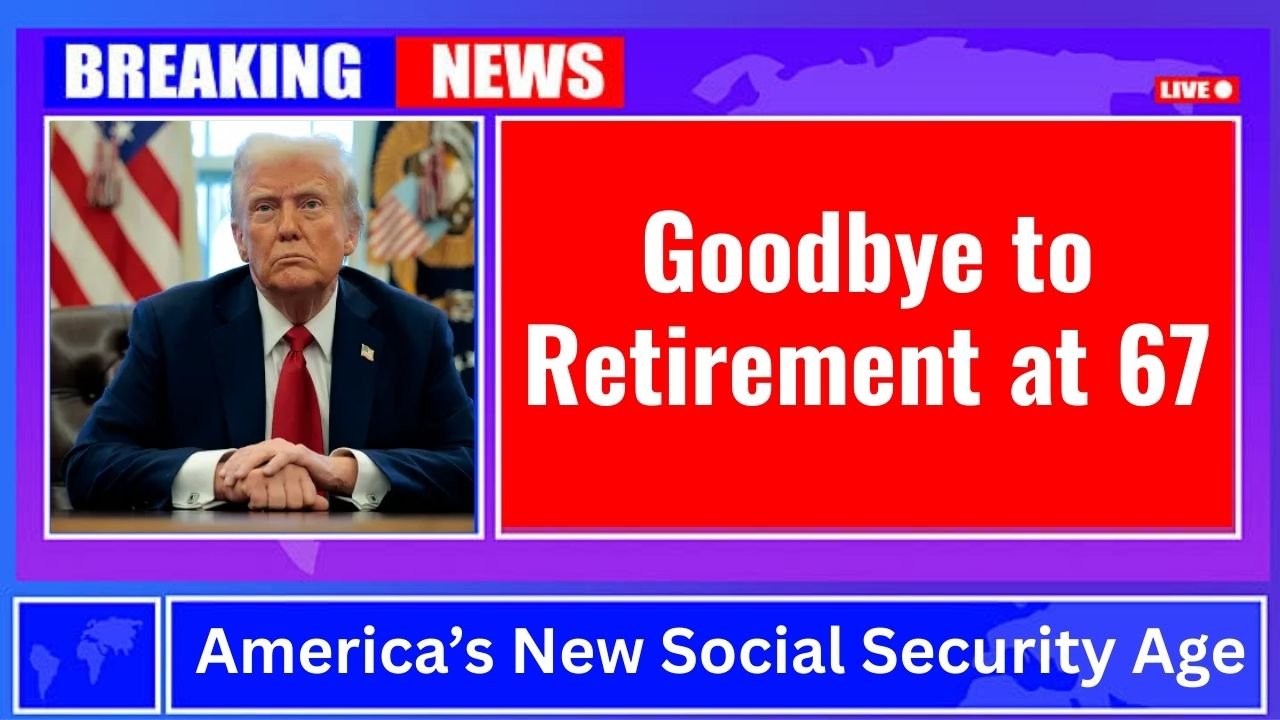
Goodbye to Retirement at 67: For generations, the vision of leaving the workforce at age 67 has been a cornerstone of the American dream, a promised horizon after a lifetime of labor. This benchmark has guided financial planning, career trajectories, and personal aspirations. As we move through 2026, a profound and quiet transformation is underway, challenging this once-static milestone. The conversation is no longer about a fixed age, but about a flexible, personalized phase of life shaped by individual circumstance, economic shifts, and a reimagining of what it means to grow older in America. The notion of a “full retirement age” was always intended to adapt. Initially set at 65 when Social Security was established, it was later adjusted to 67 for individuals born in 1960 or later, reflecting longer average lifespans. Today, this adjustment is fully realized, occurring alongside broader societal changes—an aging population, evolving workforce dynamics, and rising costs of living. These factors are collectively reshaping expectations, suggesting that the journey into one’s later years may be less about a single stop date and more about a gradual transition.
The Quiet Evolution of Retirement Security
Changes to the retirement framework often happen incrementally, without fanfare. The mechanics of Social Security benefits are a primary example. The decision of when to claim benefits carries significant weight; starting before one’s full retirement age results in a permanently reduced monthly sum, while delaying can substantially increase it. Concurrently, the purchasing power of these benefits is under pressure, as cost-of-living adjustments frequently fail to match the real-world inflation seniors experience in healthcare, housing, and groceries. This economic reality is gently but firmly nudging the concept of practical retirement later into the future.
Retirement Landscape Overview: 2026
| Aspect | Traditional Model (20th Century) | Evolving Reality (2026 Onward) |
|---|---|---|
| Primary Goal | A definitive stop to work for leisure. | A flexible transition to a blended life stage. |
| Financial Pillar | Heavy reliance on Social Security & pensions. | Diversified income: Social Security, personal savings, continued earnings. |
| Social Security Role | Anchor benefit at a fixed “full retirement age.” | A flexible benefit that varies significantly based on claiming age. |
| Work Path | Linear career, then full stop. | Phased retirement, career shifts, consultancy, or part-time work. |
| Key Planning Focus | Saving enough to stop working by a set age. | Designing a sustainable life plan for health, purpose, and finances. |
| Greatest Challenge | Saving a sufficient lump sum. | Managing longevity risk and inflation over a potentially 30-year period. |
The Personal and Professional Pivot
The impetus to extend one’s working years is multifaceted. For many, it is a financial necessity to ensure savings and benefits last. For others, it is a choice driven by purpose, mental engagement, or the desire to stay active. The labor market is responding. An increasing number of employers now offer flexible arrangements, consultancy roles, and part-time positions specifically designed to retain experienced talent. This represents a cultural shift away from a hard stop at 67 and toward a more blended model where professional contribution and personal time can coexist in new ways.

A Varied Impact Across the Workforce
The experience of this shift is not uniform. Individuals in careers that are less physically taxing or who have robust personal savings and pensions may find flexibility an advantage, allowing them to optimize income and stay engaged. However, for workers in roles demanding physical labor, or for those with fewer financial resources, a moving timeline can present genuine hardship. Those who rely more heavily on Social Security as a primary income source are particularly sensitive to any benefit changes or delays. This disparity underscores the need for policies and personal plans that acknowledge diverse realities.
Planning for a New Era of Later Life
In this evolving context, proactive planning becomes the most powerful tool. A modern retirement strategy looks beyond a single target date to holistic life design. It involves:

- Strategically timing Social Security claims to maximize lifetime benefits.
- Integrating various income streams, such as retirement accounts, part-time work, or pensions.
- Prioritizing health and wellness investments, as medical costs remain a critical variable.
- Cultivating skills and interests that can translate into meaningful engagement—paid or voluntary—in later chapters.
The year 2026 serves as a reflective point, where demographic trends and policy discussions converge. It highlights a move toward personal responsibility within a supportive social framework. The future points not to the end of retirement, but to its reinvention—a phase potentially marked by continued growth, contribution, and multiple transitions.
Frequently Asked Questions (FAQ)
Q1: Has the official Social Security “full retirement age” been raised to beyond 67?
A1: As of 2026, the official full retirement age for receiving unreduced Social Security benefits remains 67 for anyone born in 1960 or later. The change is more subtle, rooted in economic pressures and benefit formulas that incentivize delaying claims, effectively moving the goalpost for optimal financial security.

Q2: Does this mean I will be forced to work past age 67?
A2: No one is forced to work, but financial necessity may compel many to do so. The system is designed to make delaying benefits financially rewarding. The choice remains personal, but the economic incentives are aligned with working longer for a higher, permanent monthly benefit later.
Q3: Who is most affected by these changes?
A3: Workers without substantial personal savings or pensions, and those in physically demanding jobs, feel the greatest pressure. They have less capacity to delay benefits without financial pain and may find it harder to extend their careers in their primary field.

Q4: What is the single most important step I can take in planning today?
A4: Get your personalized Social Security statement and review your projected benefits. Then, consult with a fee-only financial advisor who can help you model different claiming scenarios in the context of your overall health, savings, and life goals. Informed timing is crucial.
Q5: Is the Social Security program running out of money?
A5: The program is not going bankrupt, but its trust funds are projected to be depleted in the coming decades if no legislative changes are made. This would result in a reduction of benefits, not a cessation. This sustainability challenge is a core driver of the current discussions and long-term planning advisories.
This article is intended for informational purposes and to foster understanding of evolving social trends. It does not constitute formal financial, legal, or retirement advice. Social Security regulations and economic conditions are subject to change. For decisions pertaining to your specific situation, please consult the Social Security Administration and accredited financial planning professionals.