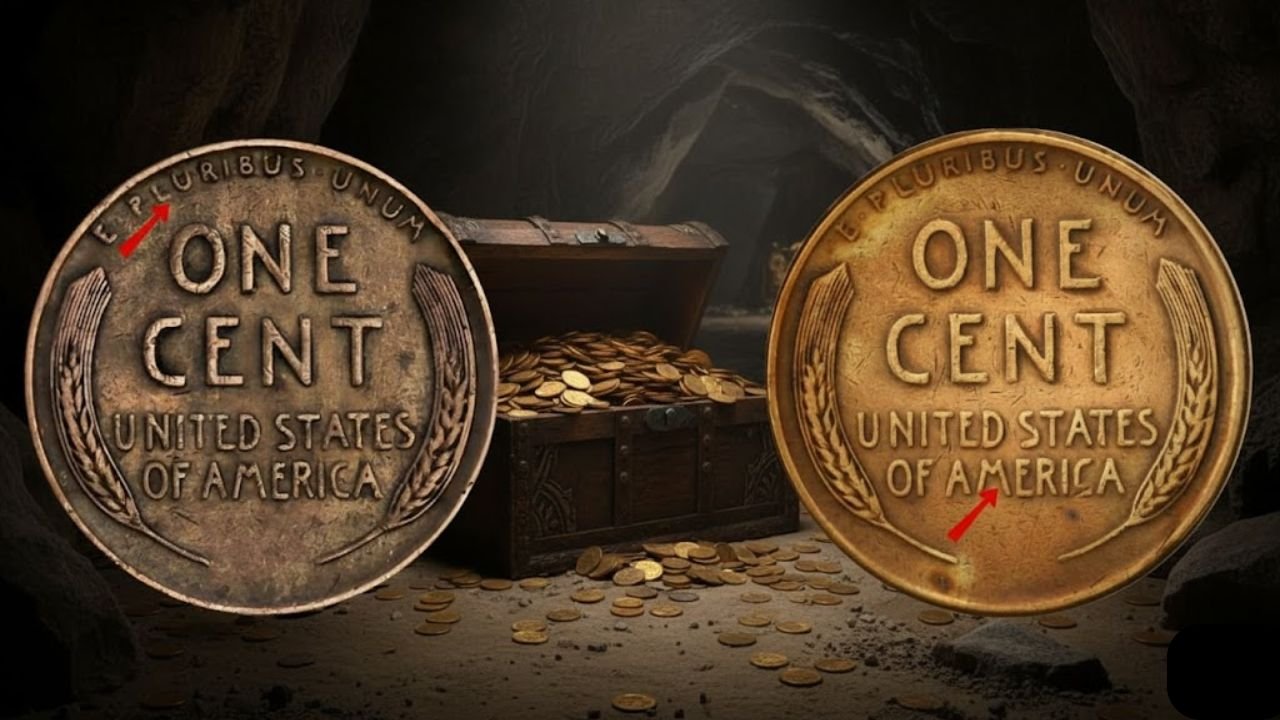
Lincoln Wheat Penny Worth: The world of coin collecting is filled with stories of astonishing discoveries, where a humble piece of currency can transform into a treasure. In 2026, the numismatic community was captivated by the sale of a single Lincoln Wheat Penny for an extraordinary $576,000. This event is more than a headline; it’s a testament to the powerful intersection of history, artistry, and meticulous craftsmanship. For collectors and history enthusiasts alike, it underscores a profound truth: value is often hidden in plain sight, waiting to be recognized by a knowledgeable eye.
The Legacy of a Nation in a Single Coin
Introduced in 1909 to mark the 100th anniversary of Abraham Lincoln’s birth, the Lincoln Wheat Penny represented a bold shift in American coinage. For the first time, the portrait of a real, beloved president graced a circulating U.S. coin, a move that brought history directly into the hands of the public. Designed by the acclaimed sculptor Victor David Brenner, the coin’s “wheat ears” reverse symbolized the nation’s agricultural heartland and spirit of prosperity. For nearly 50 years, this penny was a constant in everyday life, exchanged in stores, saved in jars, and passed down through generations. Its very commonality is what makes the rare examples so extraordinary; they are the exceptional needles in a vast, historical haystack.
The $576,000 Lincoln Wheat Penny: Key Information Table
| Aspect | Details |
|---|---|
| Coin Series | Lincoln Wheat Cent (1909-1958) |
| Designer | Victor David Brenner |
| Record-Setting Specimen (2026) | Reported as a high-grade example of a key rarity (e.g., 1909-S VDB, 1914-D, or 1922 No D) |
| Final Auction Price | $576,000 |
| Primary Value Drivers | Extreme rarity, superb condition (MS65+ Red), certified authenticity, historic significance |
| Key Rarity Examples | 1909-S VDB, 1914-D, 1922 No D, 1955 Double Die Obverse |
| Grading Services | PCGS (Professional Coin Grading Service), NGC (Numismatic Guaranty Company) |
| Investment Appeal | Tangible asset, historical value, potential for appreciation, portfolio diversification |
| Starting Point for New Collectors | Examining inherited collections, searching circulated rolls (“coin roll hunting”), visiting local coin shows |
Understanding the Extraordinary Valuation
The specific penny that achieved this remarkable valuation is a convergence of several critical factors, each of which adds a layer to its story and scarcity. First and foremost is its condition. This coin likely survived the better part of a century in a state of pristine preservation, with its original luster and sharp, unimpaired details—a minor miracle for a coin meant for circulation. Secondly, it belongs to one of the legendary rare varieties, such as the low-mintage 1909-S VDB, the elusive 1914-D, or the intriguing error-based 1922 No D. Finally, its authenticity and condition have been verified and encapsulated by a top-tier grading service, giving buyers absolute confidence in its pedigree. This combination of impeccable preservation, legendary rarity, and certified authenticity creates a perfect storm of collector demand.

The Pillars of Numismatic Value
For those new to collecting, the value of a coin is built upon four foundational pillars. Rarity is the starting point, determined by the original number minted and how many survive today in any condition. Condition (or Grade) is paramount; a coin in mint-state condition can be worth thousands of times more than a worn, circulated version of the same date. Demand reflects the passion of collectors, with coins that complete popular sets or have famous stories commanding higher premiums. Lastly, Authenticity and Verification from independent grading services like PCGS or NGC provide a trusted, objective assessment that fuels the modern market. The $576,000 penny excels supremely in all four categories.
A Guide for the Curious: Where to Begin Your Search
The dream of discovery is a powerful force in coin collecting. While finding a six-figure penny is exceptionally rare, valuable coins do surface in unexpected places. Your journey begins with careful examination. Use a magnifying glass to inspect the date and the mint mark (found on the obverse, below the date: ‘D’ for Denver, ‘S’ for San Francisco, no mark for Philadelphia). Compare your coins to images of known rare varieties and errors, paying close attention to doubling in the lettering or unusual markings. Handle potential finds by the edges to preserve their condition. Most importantly, immerse yourself in the community—reputable guidebooks, collector forums, and local coin clubs are invaluable resources for learning and sharing knowledge.

Frequently Asked Questions (FAQ)
Q1: I have a jar of old wheat pennies. What’s the first thing I should do?
A: First, handle them carefully by the edges. Then, sort them by date and look for mint marks below the date. Use a simple online guide or book to highlight the key rare dates (like 1909-S, 1914-D, 1922). Don’t clean them, as this drastically reduces value. For any that look potentially valuable or in exceptional condition, consider getting them evaluated by a reputable local dealer or submitting them for professional grading.
Q2: What does “MS65 Red” mean?
A: This is a professional coin grade. “MS” stands for Mint State, meaning it never entered circulation. “65” is a numeric grade on a 1-70 scale, indicating a superb, well-struck coin with minimal marks. “Red” refers to the original copper color being fully preserved. A coin with this designation is among the finest known for its type.

Q3: Are all old Lincoln Wheat Pennies valuable?
A: No, the vast majority are common and worth a small premium over face value, typically a few cents to a few dollars, based on their copper content and age. High value is concentrated on specific rare dates, mint marks, error coins, and those in exceptionally high grades.
Q4: Why is the 1909-S VDB penny so famous?
A: It combines two elements: extremely low mintage (only 484,000 were struck) and the controversial inclusion of the designer’s initials (V.D.B.) on the reverse, which were removed later in the year. Its status as the first Lincoln cent from the San Francisco mint and its iconic story make it the “holy grail” for many series collectors.

Q5: How does coin collecting function as an investment?
A: Rare coins are considered an “alternative investment” or tangible asset. Their value is not directly tied to stock markets and can act as a hedge against inflation. Like any investment, it requires knowledge, patience, and a focus on quality and rarity. It’s crucial to buy certified coins from reputable sources and view collecting as a long-term pursuit that combines personal passion with financial potential.
*The story of the $576,000 Lincoln Wheat Penny is ultimately a celebration of history’s hidden depths. It reminds us that ordinary objects can carry extraordinary narratives, connecting us to the past in a uniquely tangible way. Whether you’re drawn byContinue